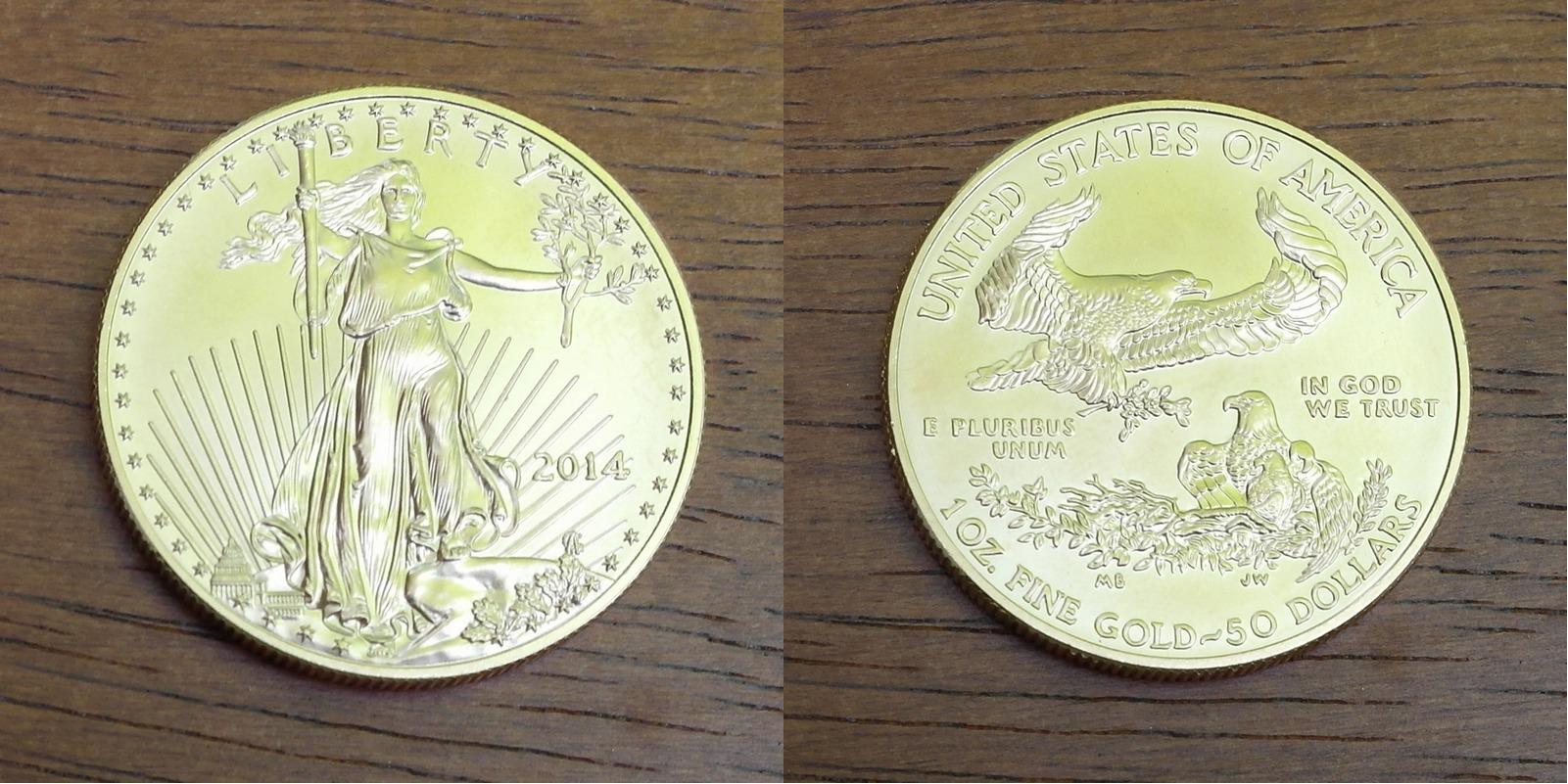
I wrote about how to possibly buy gold ten years ago. Since then, it has gotten a lot easier and also much more expensive. There are now exchange traded funds that invest in gold, introduced in 2007. The biggest gold ETF has ticker symbol GLD. It has $32 billion in assets, all of which is invested in 400-ounce bricks of gold bullion: 804 tons! You buy the shares just like you buy shares of stock. The costs are minimized and the money is invested directly in gold, not gold-related stocks like mining companies which is how many mutual funds invest in gold. Even with operating expenses of 0.4% per year at GLD (0.25% for the similar IAU), if you’re serious about investing in gold, an ETF is a pretty good way to do it. One caveat is that capital gains on gold (considered a “collectible” by the IRS) are taxed at 28% for long term gains. One way around that would be to use money in your IRA to buy shares of a gold ETF, then when you sell it, you wouldn’t pay taxes on any gains. This doesn’t work for gold bullion. If you have gold bullion in an IRA and sell it for a profit, you will owe tax that year, but this doesn’t apply to a lot of ETF’s even if they invest in gold bricks like GLD or IAU. My Fidelity Roth IRA account is also a brokerage account, so I can invest in GLD, SLV, or IAU. Fidelity offers commission-free trades for some iShares ETF’s, but not iShares precious metals ETF’s SLV and IAU. In fact, Fidelity will even let me buy bullion for my IRA through Fidelitrade (a separate company, apparently), but there are a lot of fees per transaction and for storage. You also have to be careful about buying physical gold in an IRA because not all gold is eligible (Kruggerands are not eligible because they are not pure 24 karat gold, but American Eagles are despite not being pure gold).